
<?xml version="1.0" encoding="UTF-8"?><rss version="2.0"
	xmlns:content="http://purl.org/rss/1.0/modules/content/"
	xmlns:wfw="http://wellformedweb.org/CommentAPI/"
	xmlns:dc="http://purl.org/dc/elements/1.1/"
	xmlns:atom="http://www.w3.org/2005/Atom"
	xmlns:sy="http://purl.org/rss/1.0/modules/syndication/"
	xmlns:slash="http://purl.org/rss/1.0/modules/slash/"
	>

<channel>
	<title>sleep debt - Tone &amp; Strengthen</title>
	<atom:link href="https://toneandstrengthen.com/tag/sleep-debt/feed/" rel="self" type="application/rss+xml" />
	<link>https://toneandstrengthen.com</link>
	<description>Corporate and Personal Wellness Solutions</description>
	<lastBuildDate>Fri, 13 May 2022 14:46:16 +0000</lastBuildDate>
	<language>en</language>
	<sy:updatePeriod>
	hourly	</sy:updatePeriod>
	<sy:updateFrequency>
	1	</sy:updateFrequency>
	<generator>https://wordpress.org/?v=6.9.1</generator>

<image>
	<url>https://toneandstrengthen.com/wp-content/uploads/2024/07/cropped-Tone-and-Strengthen-Wellness-Logo-2-1-32x32.png</url>
	<title>sleep debt - Tone &amp; Strengthen</title>
	<link>https://toneandstrengthen.com</link>
	<width>32</width>
	<height>32</height>
</image> 
	<item>
		<title>Why Skimping on Sleep Isn’t the Best Idea for Endurance Athletes? 0 (0)</title>
		<link>https://toneandstrengthen.com/2022/03/23/sleep_for_athletes/?utm_source=rss&#038;utm_medium=rss&#038;utm_campaign=sleep_for_athletes</link>
		
		<dc:creator><![CDATA[admin]]></dc:creator>
		<pubDate>Wed, 23 Mar 2022 13:40:54 +0000</pubDate>
				<category><![CDATA[Nutrition]]></category>
		<category><![CDATA[sleep]]></category>
		<category><![CDATA[sleep debt]]></category>
		<category><![CDATA[sleep for athletes]]></category>
		<category><![CDATA[sleep for runners]]></category>
		<category><![CDATA[sleep tips]]></category>
		<guid isPermaLink="false">https://toneandstrengthen.com/?p=3199</guid>

					<description><![CDATA[<p>I love sleeping. Nope, I am not talking about sleeping in. As a runner, I am an early bird. Over the last year I have learned that, sleep for athletes is an important recovery tool. However, I have become a lite sleeper. Any minor interruption wakes me up at night. Either it&#8217;s my kids having a&#8230;</p>
<p>The post <a href="https://toneandstrengthen.com/2022/03/23/sleep_for_athletes/">Why Skimping on Sleep Isn’t the Best Idea for Endurance Athletes?<span class="rmp-archive-results-widget rmp-archive-results-widget--not-rated"><i class=" rmp-icon rmp-icon--ratings rmp-icon--star "></i><i class=" rmp-icon rmp-icon--ratings rmp-icon--star "></i><i class=" rmp-icon rmp-icon--ratings rmp-icon--star "></i><i class=" rmp-icon rmp-icon--ratings rmp-icon--star "></i><i class=" rmp-icon rmp-icon--ratings rmp-icon--star "></i> <span>0 (0)</span></span></a> first appeared on <a href="https://toneandstrengthen.com">Tone & Strengthen</a>.</p>]]></description>
										<content:encoded><![CDATA[<p>I love sleeping. Nope, I am not talking about sleeping in. As a runner, I am an early bird. Over the last year I have learned that, sleep for athletes is an important recovery tool. However, I have become a lite sleeper. Any minor interruption wakes me up at night. Either it&#8217;s my kids having a nightmare, neighbors&#8217; car or my restless mind thinking about the tasks I must do for my business.</p>
<p>Many athletes do not clock <a href="https://toneandstrengthen.com/2021/03/25/3-ways-to-get-better-sleep/">in enough sleep</a>. During the physically strenuous activity cycle, <a href="https://toneandstrengthen.com/2021/03/25/3-ways-to-get-better-sleep/">sleep becomes even more</a> critical. Getting enough recovery sleep for athletes is very critical for athlete&#8217;s performance.</p>
<h3>Benefits of Logging Sleep for Athletes while Training</h3>
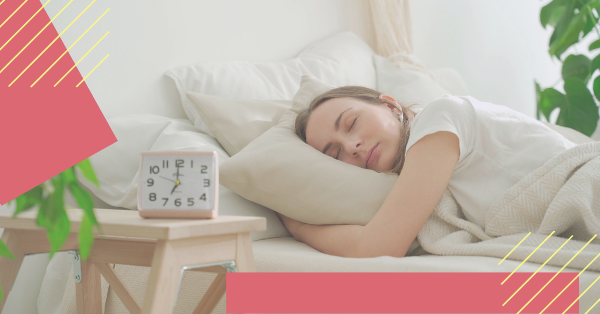
<figure id="attachment_3201" aria-describedby="caption-attachment-3201" style="width: 600px" class="wp-caption aligncenter"><img fetchpriority="high" decoding="async" class="size-full wp-image-3201" src="https://toneandstrengthen.com/wp-content/uploads/2022/03/2.png" alt="Importance of Sleep for Endurance athletes " width="600" height="314" srcset="https://toneandstrengthen.com/wp-content/uploads/2022/03/2.png 600w, https://toneandstrengthen.com/wp-content/uploads/2022/03/2-300x157.png 300w" sizes="(max-width: 600px) 100vw, 600px" /><figcaption id="caption-attachment-3201" class="wp-caption-text">Why sleep is important for endurance Athletes.</figcaption></figure>
<p>Three reasons why you need to clock in more sleep during training cycles are;</p>
<h4><strong>Physiologic Benefits</strong></h4>
<p>To reap the benefits from training runs it&#8217;s critical to log in enough sleep so that your body can recover. Our body releases Human Growth Hormone (HGH) during the deeper stages of sleep (1). HGH is a hormone produced by the pituitary gland and released into the bloodstream (1). This hormone helps repair muscles, strengthen bones, and convert fat to fuel. In a nutshell, without adequate sleep, our bodies have a hard time properly recovering from workouts and utilizing energy stores.</p>
<h4><strong>Increasing Mileage Mean More Sleep</strong></h4>
<p>During the training cycle, when the running mileage gets high, the body needs more sleep. Because, while logging a lot of miles, you&#8217;re depleting your energy and fluid stores and breaking down muscle tissue. I start feeling sleepy during the day or want to sleep earlier if I am not getting in enough sleep.</p>
<h4><strong>Increases Injury Risk</strong></h4>
<p>For endurance athletes, the repetitive nature of the movements, high mileage, and more challenging training already puts them at higher injury risk. Now add sleep deprivation to the equation, and the risk of injury (2), illness, and overtraining increases many folds.</p>
<h3>How Much Sleep is Enough?</h3>
<p>Literature suggests at least 7.5 hours of sleep but over 8 hours of sleep is a good benchmark to have your best performance when running your base mileage (3). It’s recommended that runners should add a minute per mile per night that they run in the week during the volume and intensity building phases of training (4). So, if you are averaging 35 miles a week like me, you should add 35 minutes to your nightly sleep time. Let’s say you aim for eight hours every week then your nightly sleep should be</p>
<h5 style="text-align: center;"><em>Regular sleep per night = 8 hours + 35 minutes for running about 35 miles per week</em></h5>
<p>After reading the literature, it made complete sense. I was fatigued because I wasn&#8217;t getting enough sleep and recovery. This formula means I should be sleeping almost 60 hours a week instead of my usual 45 hours a week average. I was feeling drained all the time. My training runs started getting affected due to a lack of sleep and recovery.</p>
<h3>Tips for Better Sleep for Athletes</h3>
<figure id="attachment_3202" aria-describedby="caption-attachment-3202" style="width: 600px" class="wp-caption aligncenter"><img decoding="async" class="size-full wp-image-3202" src="https://toneandstrengthen.com/wp-content/uploads/2022/03/3.png" alt="Tips for better sleep" width="600" height="314" srcset="https://toneandstrengthen.com/wp-content/uploads/2022/03/3.png 600w, https://toneandstrengthen.com/wp-content/uploads/2022/03/3-300x157.png 300w" sizes="(max-width: 600px) 100vw, 600px" /><figcaption id="caption-attachment-3202" class="wp-caption-text">Tips for Better Sleep Hygiene</figcaption></figure>
<p><strong>Keep a consistent bed and wake time, even on weekends.</strong> A predictable sleep schedule helps maintain the body&#8217;s internal clock or circadian rhythm. Many internal body functions follow circadian patterns, like heart rate, blood pressure, and other cardiovascular functions. Sleep deprivation also inhibits the secretion of human growth hormone (HGH), which helps build lean muscle mass and aids in recovery.</p>
<p><strong>Turn off your electronic devices an hour before bed.</strong> Yes, don&#8217;t sleep with your smartphone in bed. I see you on IG at night. YES, YOU! According to the National Sleep Foundation, due to the blue light emitted by smartphones, TVs, computers, and other electronic devices, the use of these devices should be limited in the hours leading up to bedtime. Try to turn the devices off at least an hour before bedtime.</p>
<p><strong>Avoid strenuous exercise too close to bedtime.</strong> This one might seem counterintuitive but try to avoid a run or work out too close to bedtime. Avoiding strenuous exercise 60-90 minutes before bedtime is best. Not all activities are equal when it comes to sleep regulation. Yoga or gentle stretching exercises relax and calm the body, making it ready for bedtime.</p>
<p><strong>Avoid heavy meals and caffeine too close to bedtime.</strong> Try to give some space between your dinner and rest. You don&#8217;t want to be too full going to bed. I love caffeine, but it&#8217;s best to stop consuming caffeine in the afternoon. Caffeine can disrupt your sleep up to six hours after finishing it. (5)</p>
<p><strong>Make your bedroom sleeping heaven.</strong> Keep your bedroom cool and dark. Keep the electronic devices out of the bedroom. Messy rooms are stressful. Keep your room calm by keeping it organized.</p>
<p>Now you know the why and how of the logging in enough sleep during your training cycle. Try to add good quality sleep to your daily routine and you will reap the performance benefits.</p>
<p><strong>References-</strong></p>
<p>1-<a href="https://doi.org/10.1530/EJE-12-1037">https://doi.org/10.1530/EJE-12-1037</a></p>
<p>2- doi: 10.1249/JSR.0000000000000418</p>
<p>3- doi: <a href="https://dx.doi.org/10.3389%2Ffspor.2021.705650">10.3389/fspor.2021.705650</a></p>
<p>4- doi: <a href="https://dx.doi.org/10.1371%2Fjournal.pone.0194705">10.1371/journal.pone.0194705</a></p>
<p>5-https://doi.org/10.5664/jcsm.3170</p>
<p style="text-align: center;">
<p style="text-align: center;"><iframe loading="lazy" src="https://assets.pinterest.com/ext/embed.html?id=904590275126912901" width="236" height="690" frameborder="0" scrolling="no"></iframe></p><p>The post <a href="https://toneandstrengthen.com/2022/03/23/sleep_for_athletes/">Why Skimping on Sleep Isn’t the Best Idea for Endurance Athletes?<span class="rmp-archive-results-widget rmp-archive-results-widget--not-rated"><i class=" rmp-icon rmp-icon--ratings rmp-icon--star "></i><i class=" rmp-icon rmp-icon--ratings rmp-icon--star "></i><i class=" rmp-icon rmp-icon--ratings rmp-icon--star "></i><i class=" rmp-icon rmp-icon--ratings rmp-icon--star "></i><i class=" rmp-icon rmp-icon--ratings rmp-icon--star "></i> <span>0 (0)</span></span></a> first appeared on <a href="https://toneandstrengthen.com">Tone & Strengthen</a>.</p>]]></content:encoded>


			</item>
		<item>
		<title>Tips to Avoid Sleep Debt Due to Daylight Savings Time 0 (0)</title>
		<link>https://toneandstrengthen.com/2022/02/25/tips-to-avoid-sleep-debt-due-to-daylight-savings-time/?utm_source=rss&#038;utm_medium=rss&#038;utm_campaign=tips-to-avoid-sleep-debt-due-to-daylight-savings-time</link>
		
		<dc:creator><![CDATA[admin]]></dc:creator>
		<pubDate>Fri, 25 Feb 2022 23:42:48 +0000</pubDate>
				<category><![CDATA[Nutrition]]></category>
		<category><![CDATA[daylight savings time]]></category>
		<category><![CDATA[sleep]]></category>
		<category><![CDATA[sleep debt]]></category>
		<category><![CDATA[sleeping tips]]></category>
		<category><![CDATA[springing forward]]></category>
		<guid isPermaLink="false">https://toneandstrengthen.com/?p=3099</guid>

					<description><![CDATA[<p>On Sunday, March 13th we will lose an hour of sleep. We spring forward an hour between March to November to conserve natural day light. Humans’ biological functions are driven by circadian rhythm, which is 24-hour cycles that regulate sleep. The circadian rhythm also regulates other key bodily functions such as appetite and mood. These rhythms&#8230;</p>
<p>The post <a href="https://toneandstrengthen.com/2022/02/25/tips-to-avoid-sleep-debt-due-to-daylight-savings-time/">Tips to Avoid Sleep Debt Due to Daylight Savings Time<span class="rmp-archive-results-widget rmp-archive-results-widget--not-rated"><i class=" rmp-icon rmp-icon--ratings rmp-icon--star "></i><i class=" rmp-icon rmp-icon--ratings rmp-icon--star "></i><i class=" rmp-icon rmp-icon--ratings rmp-icon--star "></i><i class=" rmp-icon rmp-icon--ratings rmp-icon--star "></i><i class=" rmp-icon rmp-icon--ratings rmp-icon--star "></i> <span>0 (0)</span></span></a> first appeared on <a href="https://toneandstrengthen.com">Tone & Strengthen</a>.</p>]]></description>
										<content:encoded><![CDATA[<p>On Sunday, March 13<sup>th</sup> we will lose an hour of sleep. We spring forward an hour between March to November to conserve natural day light. Humans’ biological functions are driven by circadian rhythm, which is 24-hour cycles that regulate sleep. The circadian rhythm also regulates other key bodily functions such as appetite and mood. These rhythms are largely dependent on light exposure.</p>
<p>The spring forward transition gives us darker mornings and brighter evenings. This delays our sleep-wake cycle, making us feel tired in the morning and alert in the evening. We go into a sleep debt for the month of March. Research found that the average person receives 40 minutes less sleep (1). on the Monday after “Springing Forward.” You would think we make up for the sleep loss, but we don’t. There are some other negative effects of this time change like mood disturbance, heart attacks (2), and traffic accidents (3).</p>
<p>To minimize the effects of time change, you can make some gradual adjustments. Here are a few steps to avoid the negative effects of time change.</p>
<h3>Bedtime Routine-</h3>
<p>Start a consistent bedtime. Going to bed and waking up at the same time each day – including the weekends. This helps your body regulate its sleep. Make sure you get seven to nine hours of sleep the week of and the week after daylight saving time transition.</p>
<h3>Go to Bed Early-</h3>
<p>Start changing your bedtime a week before springing forward. Start going to bed 10 minutes early each night.</p>
<h3>Take Naps-</h3>
<p>If you feel sleepy after the take short 20-minute naps during the day. Remember to nap early in the day. Naps close to bedtime interfere with sleep.</p>
<h3>Don’t Sleep-in-</h3>
<p>Don’t sleep in the morning after the time change. Wake-up at your consistent bedtime. It will help ensure you go to bed at the right time.</p>
<h3>Go Outdoors-</h3>
<p>Spend time outdoors the week after springing forward. Sunlight drives our circadian rhythms. Exposure to sunlight can lessen feelings of tiredness after time change.</p>
<p>Try these tips to make the day light saving time transition easier. Do you have any other tips to share? Share them in comments below.</p>
<h6>References</h6>
<p><a href="https://doi.org/10.1037/a0015320">https://doi.org/10.1037/a0015320</a></p>
<p>DOI: 10.1056/NEJMc0807104</p>
<p>DOI: 10.1056/NEJM199604043341416</p><p>The post <a href="https://toneandstrengthen.com/2022/02/25/tips-to-avoid-sleep-debt-due-to-daylight-savings-time/">Tips to Avoid Sleep Debt Due to Daylight Savings Time<span class="rmp-archive-results-widget rmp-archive-results-widget--not-rated"><i class=" rmp-icon rmp-icon--ratings rmp-icon--star "></i><i class=" rmp-icon rmp-icon--ratings rmp-icon--star "></i><i class=" rmp-icon rmp-icon--ratings rmp-icon--star "></i><i class=" rmp-icon rmp-icon--ratings rmp-icon--star "></i><i class=" rmp-icon rmp-icon--ratings rmp-icon--star "></i> <span>0 (0)</span></span></a> first appeared on <a href="https://toneandstrengthen.com">Tone & Strengthen</a>.</p>]]></content:encoded>


			</item>
	</channel>
</rss>