Nutrition Q and A – Eating Fruit, and The Best Diet
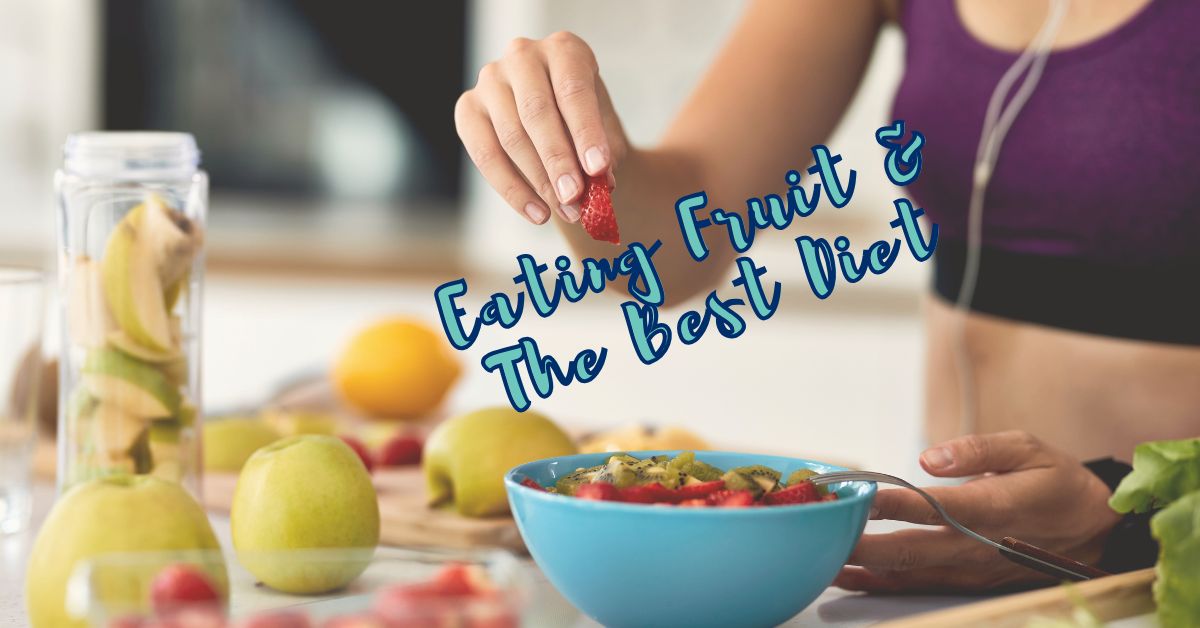
You can listen to this blog in a podcast format by clicking HERE. I get so many nutrition questions from my patients. What about eating fruit, and the best diet
Are carbs bad for you? Is the keto diet safe? Can going gluten- and dairy-free make you feel less bloated?
Yes…These are just a few of the questions that I hear from my patients on a regular basis. And I don’t blame them.
“There are a lot of trendy food fads and diets out there, and it’s really confusing,”
The problem is All this misinformation isn’t guaranteeing health at all — it’s feeding into people’s fear about eating and the morality of food
To help clear up at least some of this confusion, I’m answering some of those questions for you today because chances are you are asking those same questions, too.
One of my favorite parts of being a sports nutritionist is teaching group nutrition classes and workshops, whether at corporation, hospital wellness clinics, medical practices, or community centers. I enjoy answering common food and health questions, and I often surprise people with facts that run counter to their long-held beliefs. Some nutrition questions are asked so frequently….
To help you separate fact from fiction, I’m answering the top two questions from my patients about, eating fruit, and the best diet below:
First question is from Rachel – “Should I be worried about the sugar in fruit?”
I know why I get this question a lot because we’ve all seen the headlines. Sugar has been labeled the ‘villain’ of modern health, linked to everything from inflammation to metabolic issues.
But here’s the kicker: we’re also told to eat more plants. So, are we supposed to fear a bowl of blueberries? So, the answer is…. Drum roll please…
No! Eating fruit is not bad for you. And heres why …The No. 1 source of added sugar for Americans, providing 47 percent of the sugar in their diet, is sweetened beverages — items such as soda, lemonade, fruit punch and energy drinks. Fruit provides 1 percent of the added sugars Americans consume.
On the surface avoiding bananas or pineapples due to the high glycemic index of these fruits makes sense because, High glycemic index a food that’s more likely to spike your blood sugar. And yes basically, fruit is a high sugar food, and is ultimately processed by your body in the same way.
Let’s get technical for a second, but I promise to keep it simple. Most fruit contains a mix of fructose, glucose, and sucrose. On paper—if you look at a chemistry textbook—the fructose in an orange is the same molecule as the fructose in a soda.
And since fruit also comes with fiber and antioxidants, fruit overall is a much better source of sugar than say, a GF cookie.
I like to think of it like this … it’s all about the ‘packaging.’ When you eat a piece of whole fruit, that sugar isn’t traveling alone. It’s ‘packaged’ with:
- Fiber: This is the big one. Fiber creates a sort of ‘gel’ in your gut that slows down the absorption of sugar into your bloodstream. This prevents the massive insulin spikes you get from processed snacks.
- Water: Most fruits are about 80% to 90% water, which naturally dilutes the sugar content.
- Micronutrients: Vitamins, minerals, and antioxidants that actually help your body process energy more efficiently.
Think of it like this: Drinking a soda is like a flash flood hitting a dry riverbed. Eating an apple is however like a slow, steady rain that the soil can actually absorb.”
Now, there is a catch. If you take that fruit and put it through a juicer, you’re stripping away the fiber. According to the NHS, sugar in fruit juice is considered ‘free sugar’—the same category as the sugar added to cake. Without the fiber, your liver gets hit with that fructose all at once, which can lead to fat buildup over time.
And the same goes for dried fruit. When you dehydrate a grape into a raisin, you’re concentrating the sugar and losing the water. It’s much easier to eat 30 raisins than 30 grapes, right? That’s where you can accidentally overdo the sugar intake without even realizing it.”
But in all honesty, I wouldn’t worry about eating whole fruit. Even if Americans met their daily fruit intake — and 88 percent of American don’t — it wouldn’t come close to the volume of sugar we get from ultra-processed foods and beverages. If you need to cut back on sugar, swap sweetened beverages for water. Keep enjoying fruit, and aim for one or two cups per day.
Second nutrition question is the million dollar question and its from Collin: What is the best diet to follow?
If you’ve spent five minutes on social media lately, you’ve probably seen the “diet wars.” One person says plants are the only way; another says meat is the ultimate fuel. One person swears by organic, while another says conventional is just fine. It’s enough to make anyone want to give up and just order a pizza.
But here is the truth: All dietary protocols have their pros and cons. And the real secret? The human body is amazingly adaptable to a vast array of diets.
You heard that right. Whether you choose a plant-based path or a meat-based one, you can get lean, you can get strong, and you can thrive. You can improve your health using organic, free-range foods, or you can see incredible results with conventional grocery store finds.
Weight loss doesn’t require a massive bank account, either. You can hit your goals on a shoestring budget just as effectively as someone with an unlimited one.
So, if all these diets work, what actually matters? It comes down to two things: Consistency and Commitment.
It just takes a little know-how and a system for using the “best practices” that cross over all successful diets. Think of it as the “Universal Truths of Nutrition”:
- Whole Foods First: Most successful protocols prioritize minimally processed foods.
- Protein & Fiber: These are your best friends for staying full and maintaining muscle. I’m talking about broccoli, chicken, and fish
- Mindful Eating: Being aware of how and why you eat is often as important as what you eat.
Of all the diets Paleo diet is probably the best option. focusing on whole, unprocessed foods like lean meats, fish, fruits, vegetables, nuts, and seeds while eliminating grains, legumes, and dairy. But it can be difficult to maintain long-term due to the restriction of affordable staples like beans and rice.
You can listen to this blog on my podcast 9 to 5 Wellness. The episode is linked below:
So, here are the answers to your questions on “Eating Fruit, and The Best Diet.” You can send me your question by recoding anaudio message on the 9 to 5 wellness website under Ask Aesha or clicking on the link HERE.