VO₂ Max and Longevity: Why Your Aerobic Fitness May Be One of the Strongest Predictors of a Long, Healthy Life
For decades, VO₂ max was a metric reserved for endurance athletes, exercise physiologists, and elite sports performance labs. Today, it has become one of the most discussed biomarkers in the longevity and health optimization space—and for good reason.
Research consistently shows that higher levels of cardiorespiratory fitness, often measured through VO₂ max testing, are strongly associated with a longer lifespan, lower risk of chronic disease, and better overall health span.
But what exactly is VO₂ max, and how can you improve it?
What Is VO₂ Max?
VO₂ max stands for “maximal oxygen consumption.” Simply put, it measures the maximum amount of oxygen your body can take in, transport, and utilize during intense exercise.
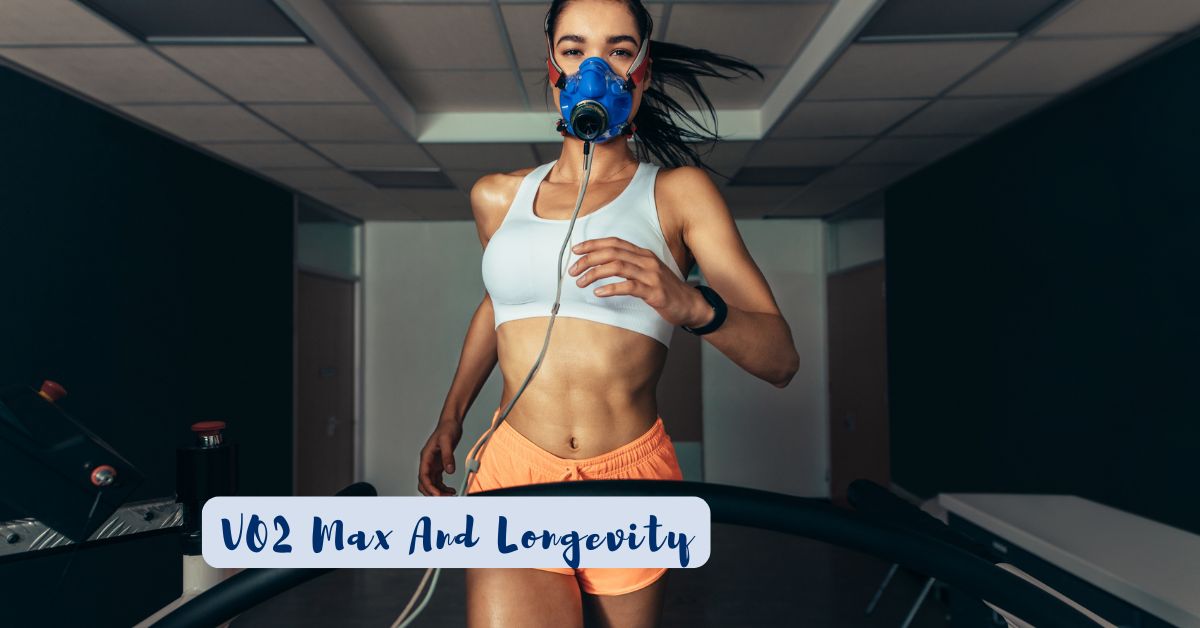
During a VO₂ max test, you typically wear a mask connected to specialized equipment while exercising on a treadmill, bike, or rowing machine. The equipment analyzes the oxygen content of your inhaled and exhaled air to determine how much oxygen your body is actually using.
At its core, VO₂ max reflects the capacity of your aerobic energy system—your body’s ability to generate energy using oxygen.
Why VO₂ Max Matters for Longevity
Originally, VO₂ max gained popularity because endurance athletes with higher scores consistently performed better. Over the past several decades, researchers have accumulated enough long-term data to examine the relationship between VO₂ max and health outcomes.
The findings are compelling: individuals with higher cardiorespiratory fitness tend to live longer and maintain a higher quality of life as they age. VO₂ max has emerged as one of the strongest predictors of future health and longevity.
A high VO₂ max isn’t just about athletic performance. It reflects the health of several critical systems:
- Heart and cardiovascular function
- Lung capacity and efficiency
- Blood oxygen transport
- Mitochondrial health
- Metabolic efficiency
In many ways, VO₂ max provides a snapshot of how well your body’s energy-producing systems are working together.
The Mitochondria Connection
Remember learning that mitochondria are the “powerhouses of the cell” in biology class?
VO₂ max testing indirectly provides insight into how effectively your mitochondria use oxygen to create energy. Healthy, abundant mitochondria allow your body to sustain higher levels of activity while using oxygen efficiently.
This is one reason aerobic fitness is so closely linked to healthy aging. As mitochondrial function declines, so does energy production, recovery capacity, and physical resilience.
Beyond VO₂ Max: Understanding Metabolic Flexibility
One of the most valuable insights from advanced VO₂ max testing is something called metabolic flexibility.
Metabolic flexibility refers to your body’s ability to efficiently switch between different fuel sources—primarily fat and carbohydrates—depending on the demands of the activity.
Think of your metabolism like a hybrid vehicle:
- At lower intensities, your body primarily burns fat.
- As intensity increases, it gradually shifts toward carbohydrates.
- During very high-intensity efforts, carbohydrates become the dominant fuel source because they provide energy more quickly.
A metabolically flexible person can move smoothly between these fuel sources without becoming overly dependent on either one.
Why Metabolic Flexibility Matters
Imagine playing a sport like tennis.
You sprint for a point, recover briefly, then sprint again.
Your body must constantly switch between higher-intensity carbohydrate metabolism and lower-intensity fat metabolism.
If you’re metabolically inflexible, those transitions become less efficient. You may fatigue sooner, recover more slowly, or struggle when one fuel source becomes depleted.
The most resilient athletes—and often the healthiest aging adults—develop both sides of the energy spectrum:
- The ability to sustain low-intensity activity for long periods.
- The ability to generate high levels of power when needed.
This flexibility is valuable not only for sports but also for everyday life.
Whether it’s hiking for several hours, climbing multiple flights of stairs, carrying groceries, or responding to an emergency that requires sudden exertion, having a well-developed aerobic system improves your ability to handle life’s physical demands.
How VO₂ Max Testing Can Guide Your Training
A VO₂ max test doesn’t just provide a number. It can help identify weaknesses in your aerobic fitness and metabolic profile.
For example:
If You Struggle with Low-Intensity Endurance
You may benefit from more Zone 2 training.
This often applies to individuals with a strength-training or powerlifting background who perform well during short, intense efforts but fatigue during longer aerobic activities.
Recommended activities include:
- Brisk walking
- Hiking
- Cycling
- Easy jogging
- Incline treadmill walking
The goal is to spend more time developing your fat-burning aerobic system.
If You’re Already Highly Aerobic
Some endurance-focused individuals become extremely efficient at lower-intensity exercise but lack exposure to higher intensities.
In this case, adding structured intervals or high-intensity training can improve VO₂ max and expand your upper aerobic capacity.
Understanding Zone 2 Training
Zone 2 has become one of the most popular concepts in longevity-focused fitness.
Generally speaking, Zone 2 represents the highest exercise intensity at which your body is still relying primarily on aerobic metabolism and fat oxidation.
One practical way to identify it is through breathing:
- You can maintain a conversation.
- You can often breathe comfortably through your nose.
- Increasing intensity slightly would force you to switch to mouth breathing.
This is often close to important physiological thresholds where your body begins relying more heavily on carbohydrates.
Training in this zone improves:
- Aerobic efficiency
- Fat oxidation
- Mitochondrial function
- Endurance capacity
The Best Training Protocols for Improving VO₂ Max
1. The Norwegian 4×4 Protocol
One of the most researched methods for improving VO₂ max is the Norwegian 4×4 protocol.
The workout consists of:
- 4 minutes of hard effort
- 4 minutes of recovery
- Repeat 4 times
Many elite Scandinavian endurance athletes have used variations of this protocol, and it has become one of the most widely studied methods for increasing aerobic capacity.
However, it’s important to understand that “hard effort” truly means hard. This protocol is challenging and may not be appropriate for beginners.
2. Modified Intervals for Beginners
If you’re new to aerobic training, shorter intervals can be highly effective.
Examples include:
- 1 minute hard / 1 minute easy
- 2 minutes hard / 2 minutes recovery
- 3 minutes hard / 3 minutes recovery
The goal is to accumulate time at higher aerobic intensities without overwhelming your current fitness level.
3. Aerobic Intervals
Many people assume interval training only means all-out sprints.
In reality, longer aerobic intervals can produce substantial benefits.
For strength athletes or those who dislike continuous cardio, aerobic intervals may feel more manageable than 30 minutes of uninterrupted exercise.
Examples include:
- 5–6 minute aerobic intervals
- Short recovery periods
- Repeat for 25–30 minutes total
This approach can provide similar aerobic benefits while making training more psychologically enjoyable.
How Much High-Intensity Work Do You Actually Need?
One of the most surprising findings from exercise research is how little high-intensity work may be required to improve VO₂ max.
Research suggests that accumulating approximately 3–8 minutes per week in very high-intensity zones can be enough to produce measurable improvements in aerobic fitness.
That doesn’t mean exercising for only a few minutes per week.
Rather, it means spending a small amount of time at truly challenging intensities within a larger training program.
For many people, a single weekly interval session may be sufficient to move VO₂ max in the right direction.
The Ultimate Goal: Build a Bigger Engine
The purpose of VO₂ max training isn’t to become an elite endurance athlete.
It’s to build a more capable, adaptable, and resilient body.
The healthiest individuals tend to possess:
- Strong aerobic capacity
- Efficient fat oxidation
- Access to high-intensity performance when needed
- The ability to transition between fuel systems effectively
This combination creates what exercise physiologists call metabolic flexibility—and it may be one of the most valuable physical traits for both performance and longevity.
Final Thoughts
VO₂ max is far more than a fitness metric. It is a window into the health of your cardiovascular system, your mitochondria, and your overall metabolic function.
Whether your goal is living longer, improving athletic performance, or simply maintaining independence as you age, improving aerobic fitness deserves a place in your training plan.
The best approach isn’t necessarily more exercise—it’s smarter exercise.
Build your aerobic base with Zone 2 training, add strategic high-intensity intervals, and focus on developing a body that can perform across the entire spectrum of effort.
That’s the kind of fitness that supports longevity.
This post was originally a 9 to 5 wellness podcast and was posted on aeshatahir.com